
2012 - English - Practical
What is REDD+? A Guide for Indigenous Communit…
This book seeks to help indigenous communities and their organisations to provide their people with basic information on REDD+. It is intended as a guide in understanding climate change, REDD+ and how they relate to the recognition and exercise of the collective rights of indigenous peoples.
2015 - English - Academic
Brazil's Sao Luiz do Tapajos Dam: The art of c…
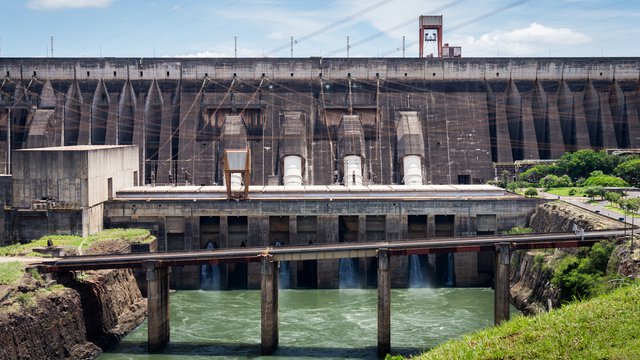
This article describes the limitations of state conducted Environmental Impact Assessments (EIA) in the context of hydroelectric dams. The social and cultural impacts are not considered by Brazilian governments who frequently address consultation as a formality. The article advocates for greater consideration of EIA’s in decision-making processes.

2013 - English - Simple
Practical supplement business reference guide …
This compliation of business practices is intended to raise awareness of the corporate responsibility to respect indigenous peoples' rights and opportunity to support their rights.

2008 - English - Technique
Aboriginal Participation in Mineral Developmen…
This paper discusses the use of Impact Benefit Agreements (IBAs) negotiated between industry and Indigenous communities, and Environmental Assessments (EA) that are legislated by the Canadian Government. The author argues that IBAs and EA have the potential to encourage the consultation and partnership of Indigenous people in the development proce…

2010 - English - Technique
Aboriginal-Mining Company Contractual Agreemen…
The impacts of contractual agreements between industry and Indigenous communities (IBAs), for Aboriginal peoples are considered. Positive impacts including increased economic and social opportunities are compared with the negative impacts such as damaged relationships and protections from government, environmental groups, and the juridicial system…

2010 - English - Technique
Powerful or Just Plain Power-Full? A Power Ana…
This article analyzes Impact-Benefit Agreements (IBAs) negotiated between industry and Aboriginal communities in Northern Canada, to show that they may lead to an inequitable distribution of power in favour of industry. They argue that IBAs can prevent Indigenous communities from making informed decisions with respect to development and discourage…